
Mattresses Buying Guide
Children spend a lot of time in bed - sleeping, growing, wriggling, dreaming. In fact they move in their sleep a lot more than adults. So their mattress needs to keep up, offering steady support while accommodating every twist and turn.
 Our Recommendation
We recommend traditional, spring-interior designs, hand-made using trusted techniques and carefully chosen materials. The spring interior ensures consistent responsiveness over a long time. We don't use foam, which will not last as long anyway.
Spring Interior Mattresses
The spring action will be consistent and perform in exactly the same way for longer than the life of the mattress, picking up each of those movements and supporting during sleep. There are broadly two types of spring units:
 Open Coil
The traditional construct using larger special high tensile steel springs which are linked together to form the size of the mattress. There is a slight rolling motion during use.
 Pocket Sprung
A larger number of much smaller springs is used and are individually sewn into pockets to keep in position in a honeycomb effect. Will react to smaller, independent movements.
The Layers - Materials Matter
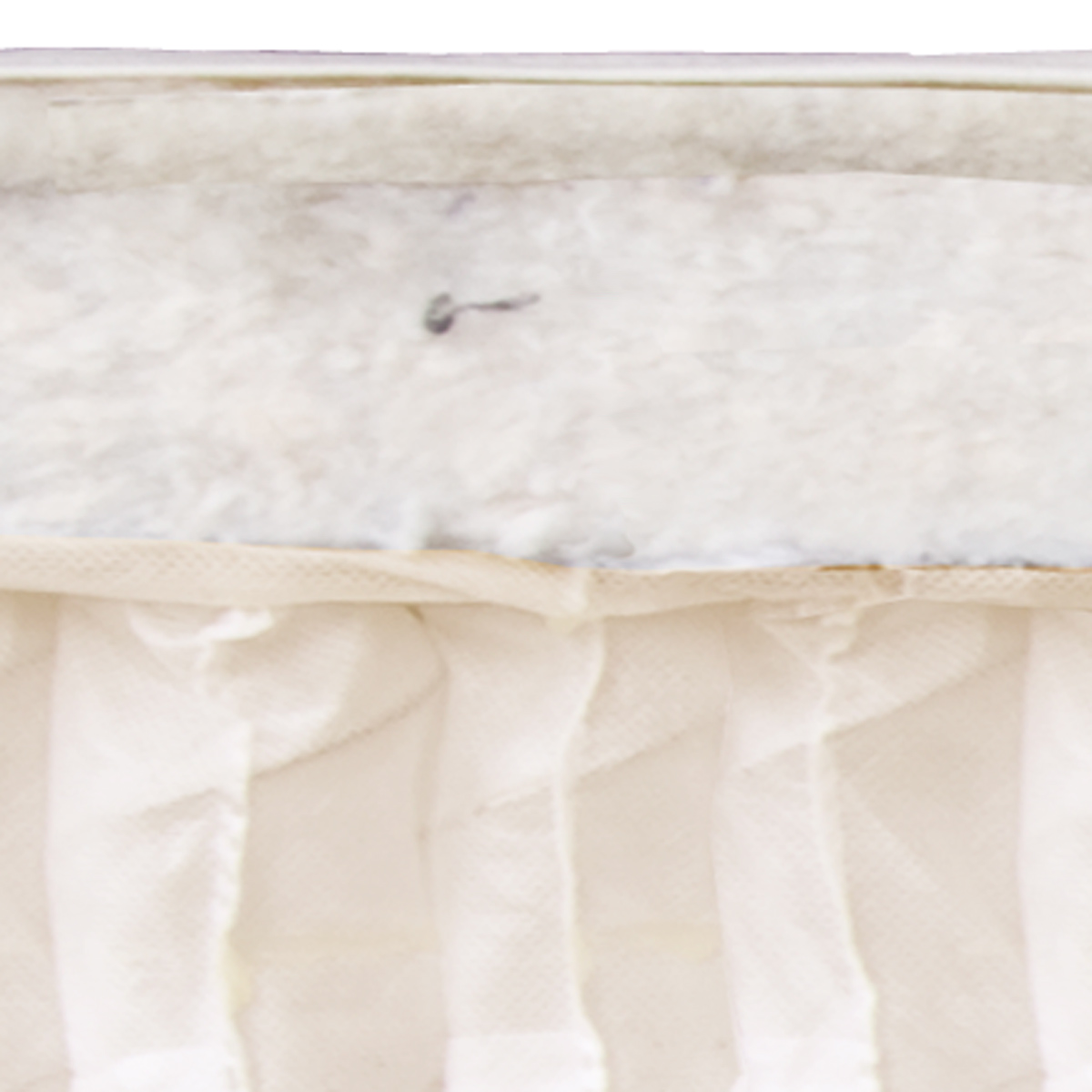
There is a wide choice of "comfort" layers - or upholstery - between the core spring unit and the cover. The primary purpose is to provide a plush, soft, "cloud-like" feel on the surface of the mattress, enhancing immediate comfort and pressure relief.
The most common materials will be foam, cotton wadding or type of "superloft" material (a thick layer of soft, cushioning material, often made from synthetic fibres like polyester). Some materials - such as cotton - can compress over time and so are combined with a superloft material to ensure they will rebound.
Material Benefits
- Superloft has anti-allergenic properties and helps with good air circulation and structure of the layers
- Cashmere, silk and wool are natural materials which improve comfort and are can assist thermoregulation
- Wool is naturally fire retardant, avoiding the need for chemical fire retardant treatment
The Cover
The cover is critical - because it is the part of the mattress closest to the skin and because it should also allow air circulation and the mattress to breathe.
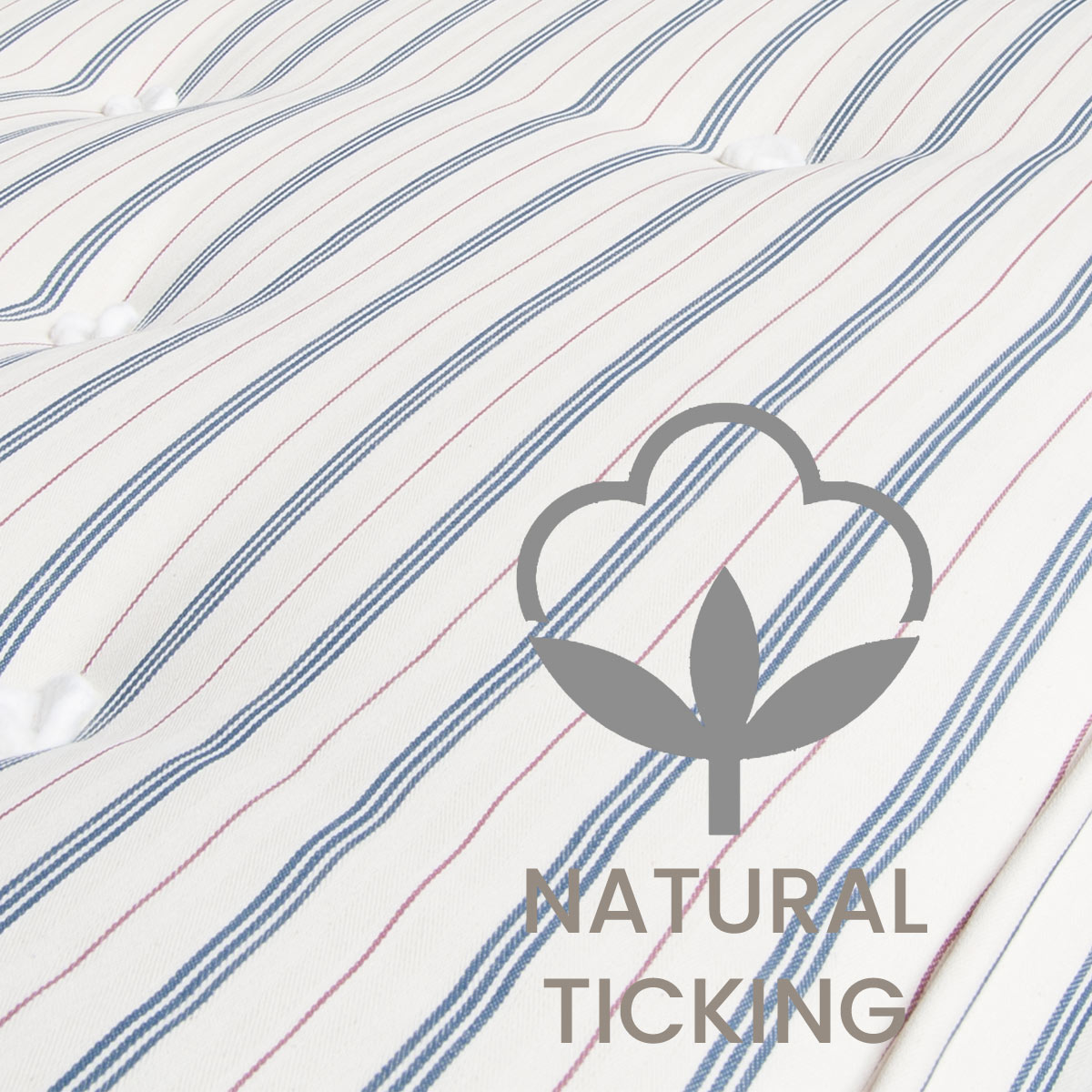
We recommend using a natural cover such as 100% cotton, which is why mattresses have traditionally been made with cotton ticking. Synthetic fabrics (and foams) can cause a variety of reactions against the skin - as an allergen or increased sweating or poor air circulation.
Because mattresses must meet the Fire Regulations, covers are often treated with fire retardancy chemicals - natural fibres requiring very little treatment compared to more synthetic materials requiring more chemicals.
The Construction
A mattress - kept properly - should last many years and these additional details help:

Tufting
String loops sewn through the mattress thickness to keep all layers in position. Gives premium mattresses their billowy look.
Side Stitching
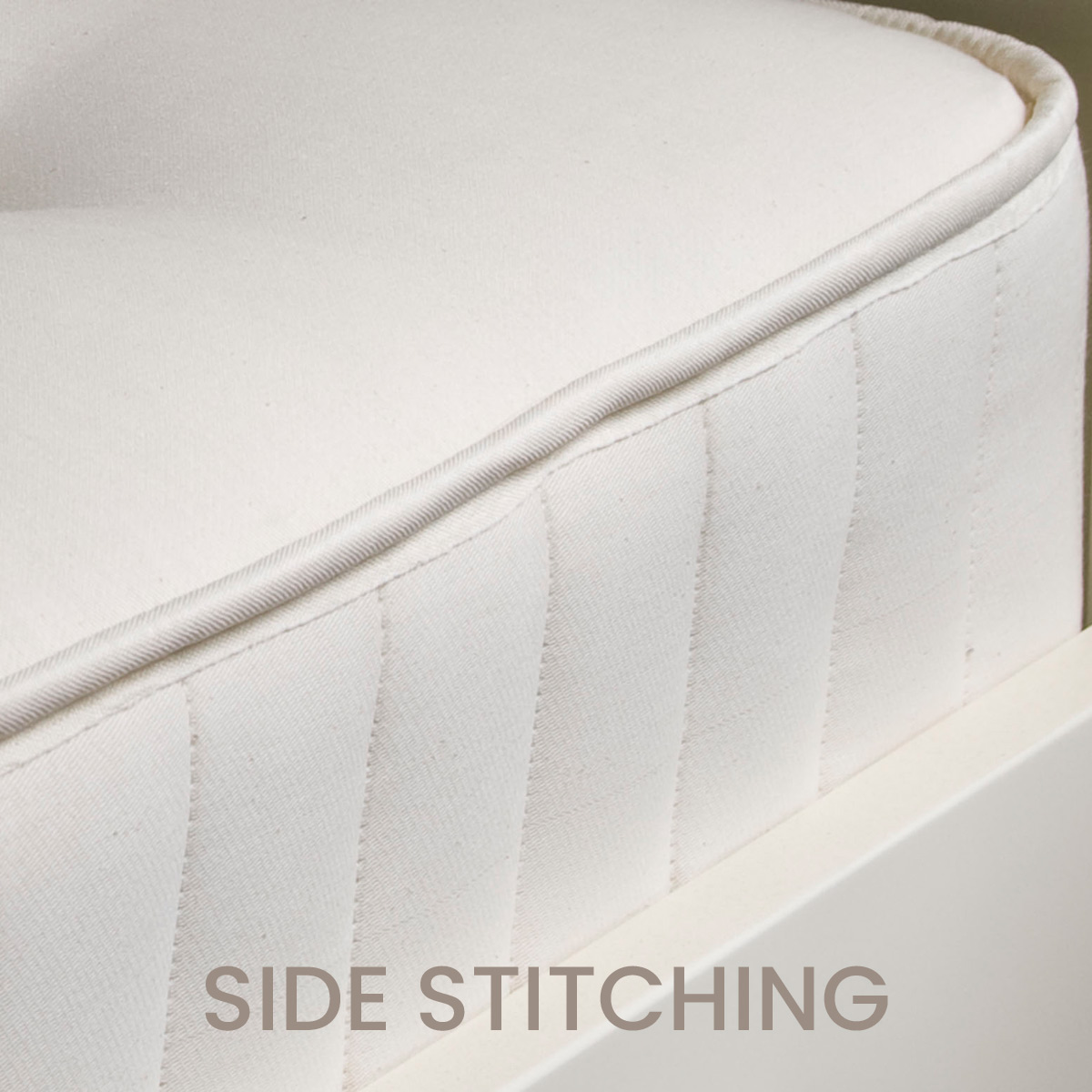
These help maintain the shape of the mattress over time so that the cover doesn't balloon out at the sides.

Air Vents
Sewn into the sides, these aid good air flow through the mattress which is good for the health of the mattress.
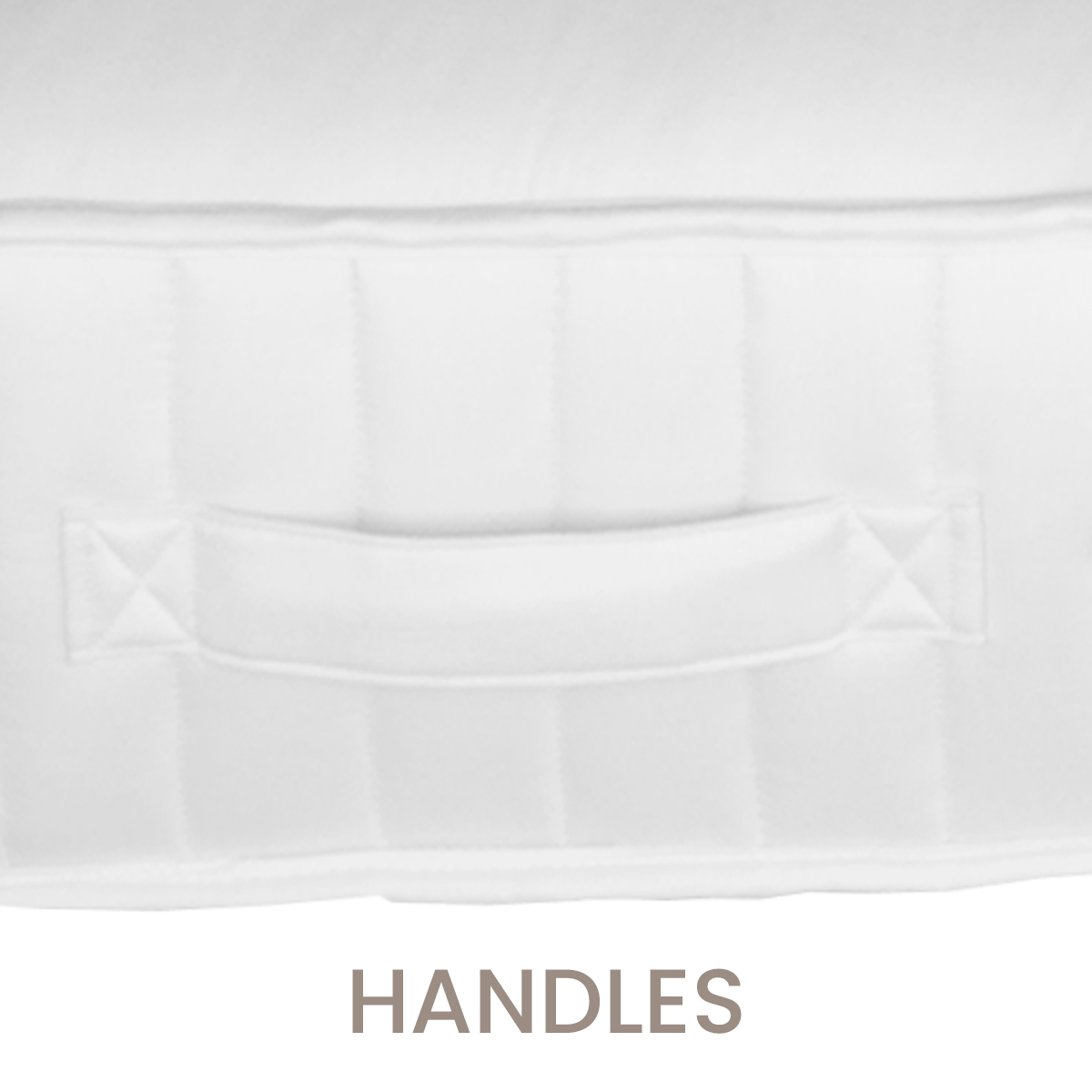
Handles
Makes turning the mattress easier. Flag Stitch handles are specially sewn and the premium type of handle.
Fire Protection
 Fire Regulations
Mattresses are required to meet the Furniture (Fire) Regulations especially as some may use inflammable material such as foam. Labelling on the mattress should confirm this. Treatment is normally done by treating covers with a fire-retardant layer. Use of naturally resistant fibres and materials such as wool under the cover means use of chemical treatment can be minimised or completely avoided.
Need help choosing the right mattress?
We're here to help you find the perfect mattress for your little one. No call centres, no middle people - just honest advice from the folks who know our products inside out.
 01985 300588